

Pavee Point welcomes the National Strategy for Women and Girls and highlights the need for Traveller and Roma women’s inclusion
Pavee Point welcomes the publication of the National Strategy for Women and Girls II and the Government’s ongoing commitment to advancing gender equality for migrant, marginalised and minorities, including Traveller and Roma women and girls.
The focus on disaggregated equality data is a positive step, as this is essential for understanding and addressing the specific challenges faced by different groups of women. Strong data systems are key to effective and targeted action.
We also note the reference to an intersectional approach in the Strategy, but emphasise that this needs to be reinforced and actioned with the forthcoming Action Plan. This is vital given that Traveller and Roma women experience some of the most severe and overlapping forms of discrimination in Irish society, and a lack of intersectionality risks further entrenching inequalities.
As the associated action and implementation plans are developed, it is crucial that minority ethnic women, including Traveller and Roma women, are involved in shaping and monitoring this work. Their voices and experiences must inform the Strategy at every stage to ensure it delivers for all women.
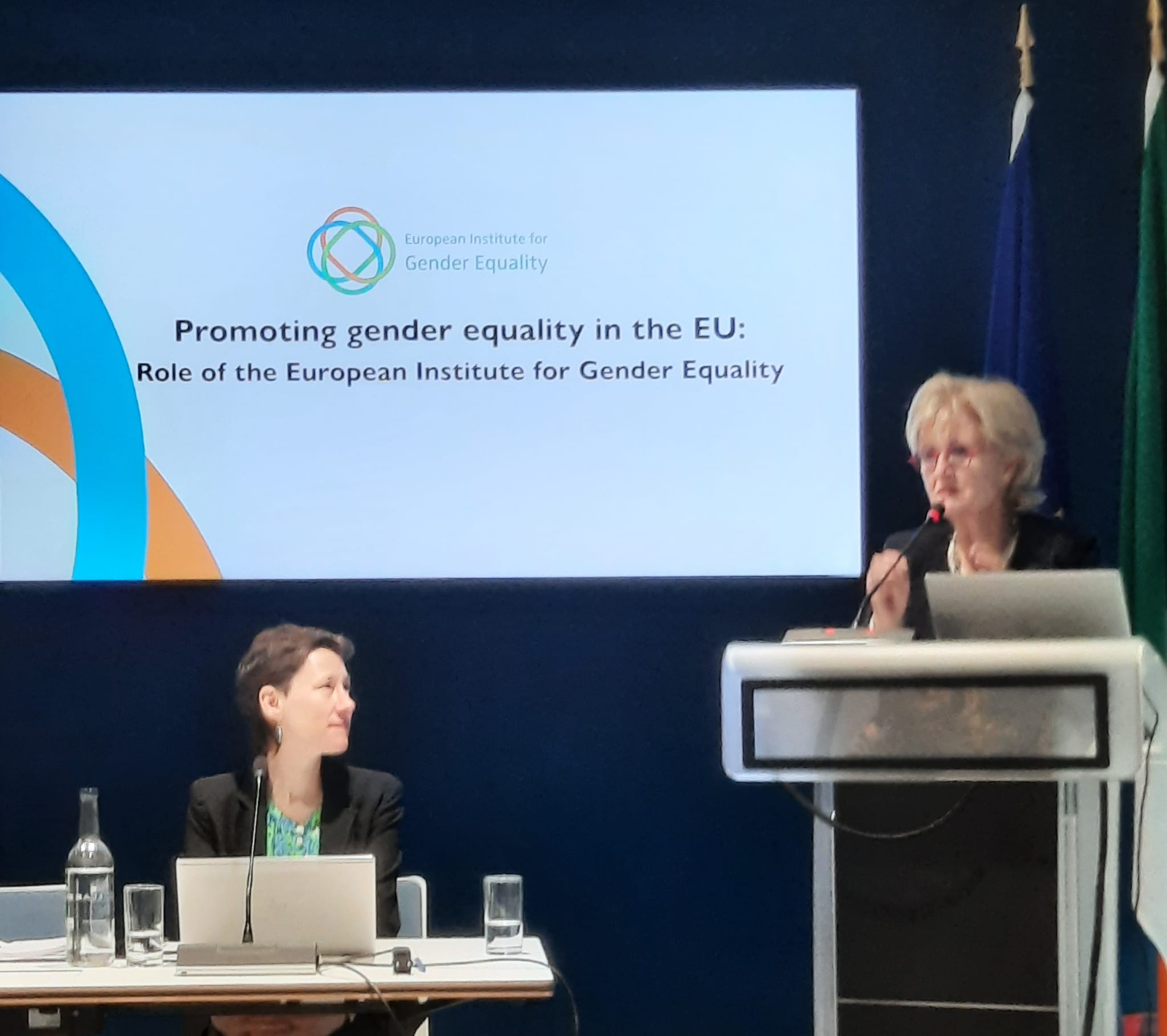
The launch of the strategy was attended by Carlien Scheele, director of The European Institute for Gender Equality (EIGE), who is in Dublin as part of the EIGE Country Visit to Ireland.
As part of this visit the EIGE also met with civil society organisations to seek recommendations in preparation for the Irish Presidency of the Council of the EU, which is scheduled for the second half of 2026. At this meeting, Pavee Point highlighted the urgent need to ensure Traveller and Roma women’s inclusion in national and EU gender equality frameworks and raised concerns regarding ethnic data collection and sustained resourcing.