
The National Council for Curriculum and Assessment (NCCA) has published their Intercultural Education Guidelines: a framework for teachers and schools to promote diversity, equality, and inclusion in education.
The guidance offers an overview of the broad aims, values, and guiding principles of intercultural education, describing a cross-curricular approach to education aiming to:
✔ Celebrate diversity
✔ Promote anti-racism
✔ Foster understanding and engagement across cultures
✔ Promote equality, justice, and respect for human rights
The Intercultural Education Toolkit for teachers and schools is divided into five sections:
The Context for Intercultural Education provides an outline of why intercultural education is necessary for Irish schools, including information on diversity in Ireland, past and present, and how anti-racism intersects with intercultural education.
The Research is a literature review on intercultural education, giving in-depth detail into different aspects of intercultural education, including its underlying principles, frameworks, and challenges.
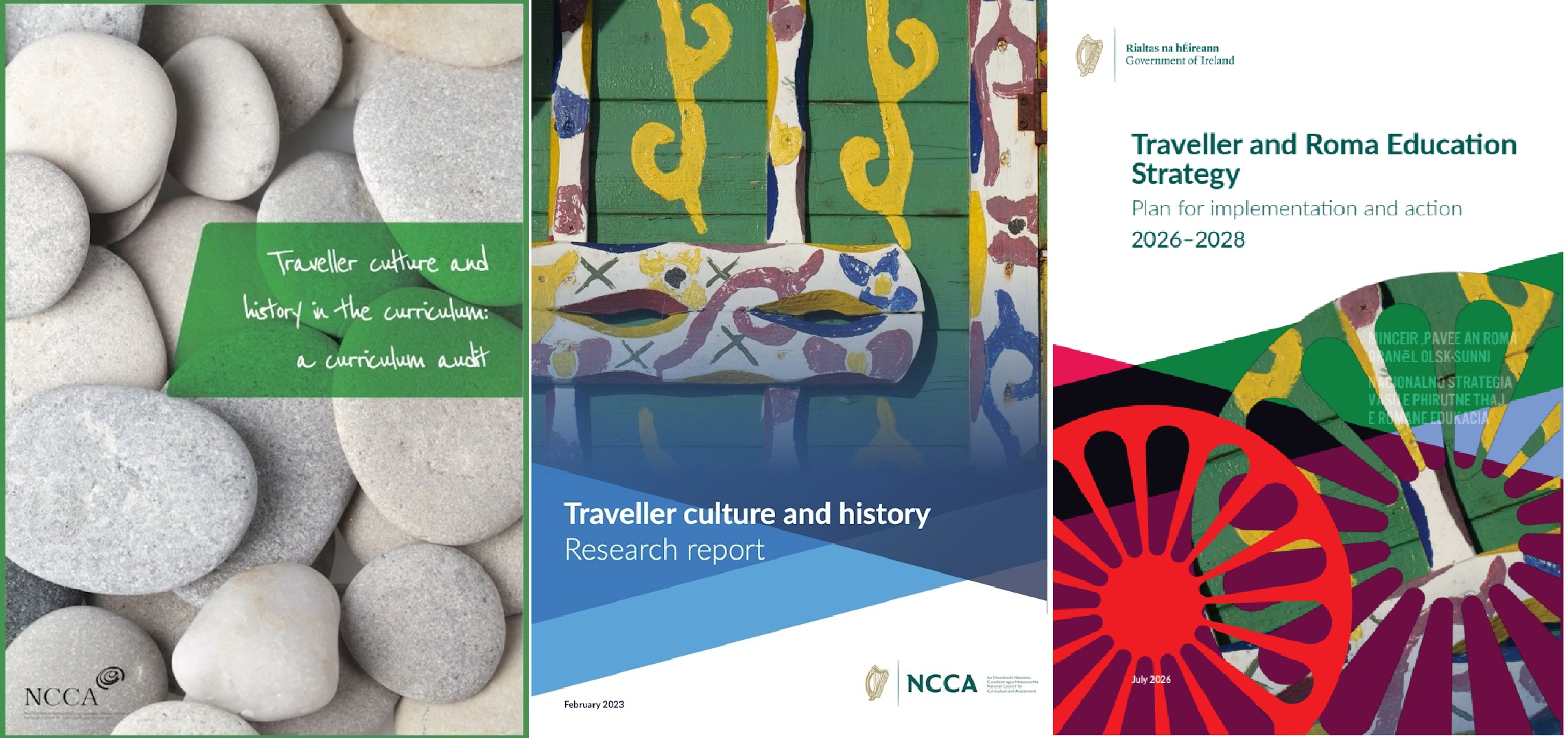
The Traveller Culture and History Research Report summarises anti-Traveller racism, and its impacts, and an overview of Traveller culture. It discusses aspects of the culture such as nomadism, music, and language, aiming to act as a resource for teachers and schools to incorporate Traveller culture and history into their everyday practice.
The Whole School Guidance for Primary, Post-Primary, and Special Schools details how intercultural education is most effective when embedded across all areas of school life. The guidance covers curriculum, culture, relationships, and policy and planning. It includes potential steps schools can take under these headings, accompanied by reflective questions to encourage critical engagement with intercultural education.
The Classroom Guidance is divided into two parts, one is given for Primary and Special Schools, and another for Post-Primary Schools. Both give guidance under the physical environment, classroom culture, pedagogy and learning, and teaching and learning materials. Like the Whole School Guidance, both include possible actions teachers can take with reflective questions.
Together, these resources support teachers and schools to embed intercultural education across everyday practice in the school community and classroom, and encourages the creation of more inclusive learning environments. The guidelines are a welcome and positive publication, particularly regarding the whole-school and reflective approaches taken. It is now crucial that the Department of Education and Youth ensure that all schools use these resources effectively and immediately include them in their everyday practice.
The publication of the guidelines delivers on commitments regarding participation and experience set out in the Traveller and Roma Education Strategy (TRES) Second Action Plan, strengthening inclusion, cultural awareness, and addressing racism in schools.
Explore the NCCA’s: ‘Intercultural Education Toolkit’