
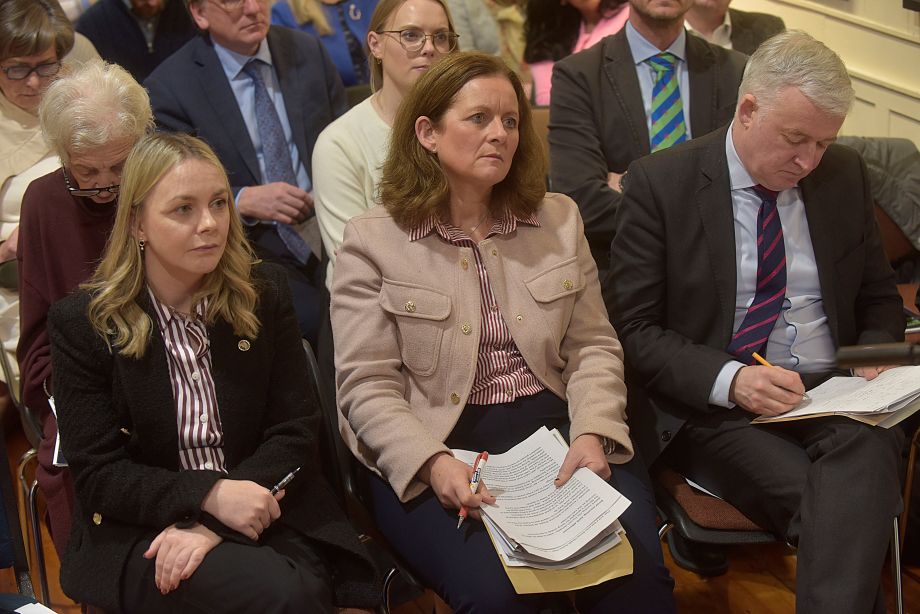
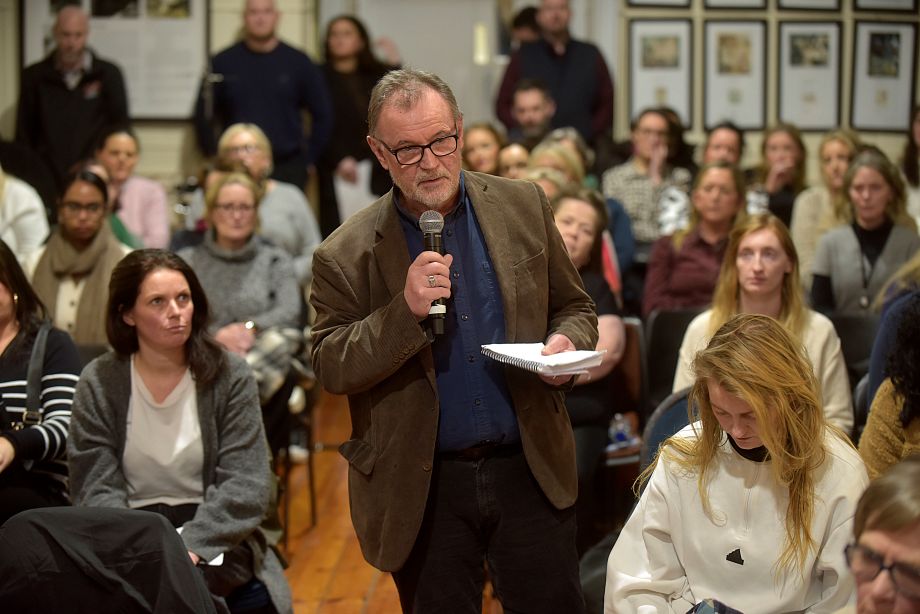
This morning Pavee Point, in collaboration with the European Union Agency for Fundamental Rights (FRA), presented the Irish findings from the EU FRA Survey to a packed room in Great Charles Street in Dublin.
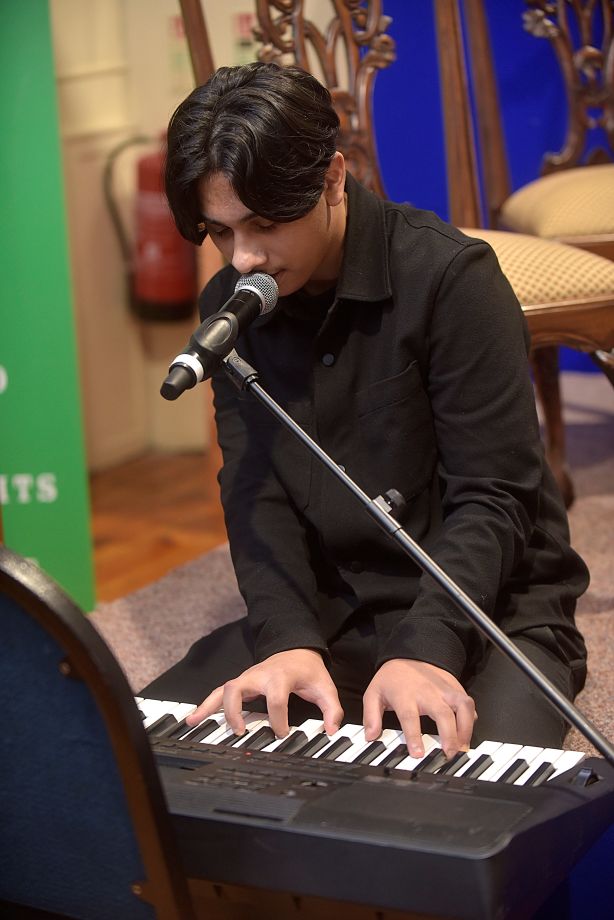
The morning began with the playing of the Romani anthem ‘Gelem, Gelem’ by Elisei Vasile.
Following the introduction of the key findings from the FRA Survey by Pavee Point Co-Director, Lynsey Kavanagh; a keynote address was delivered by Sirpa Rautio, Director of the EU Agency for Fundamental Rights. She welcomed the close partnerships being developed at national level between FRA and Traveller and Roma organisations, and praised the work of Traveller and Roma peer researchers.
Sirpa stated that most EU countries are not on track to meet 2030 EU inclusion targets, and commitment is required, in Ireland and elsewhere, to make the rights of Travellers and Roma a reality. She stressed that the fragmented landscape in tackling racism and discrimination towards Travellers and Roma requires a holistic response, and she expressed her hope that the data from the Irish FRA Survey can lead to meaningful action.
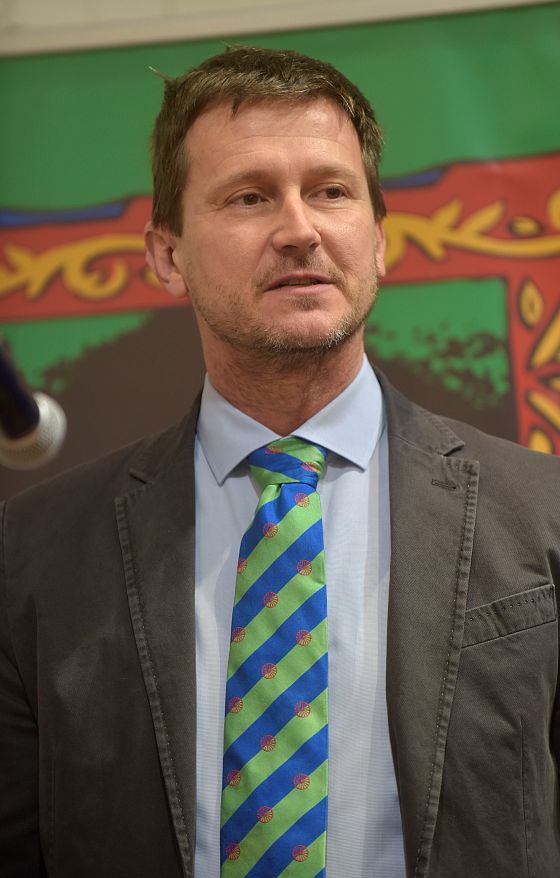
Following Sirpa’s keynote came a number of contributions from representatives of Traveller and Roma organisations. Jaroslav Kling, Lead Expert on Roma Inclusion with the European Union Agency for Fundamental Rights (FRA), offered that results of the Irish Survey are not wholly positive but that the data is there to be built upon. He too expressed that EU 2030 inclusion targets would not be met. With regards to tackling racism and discriminations, he expressed his hope that the historic change of attitude within the Irish general population regarding religious and sexual identity would ultimately lead to a similar change of attitude towards Travellers and Roma.
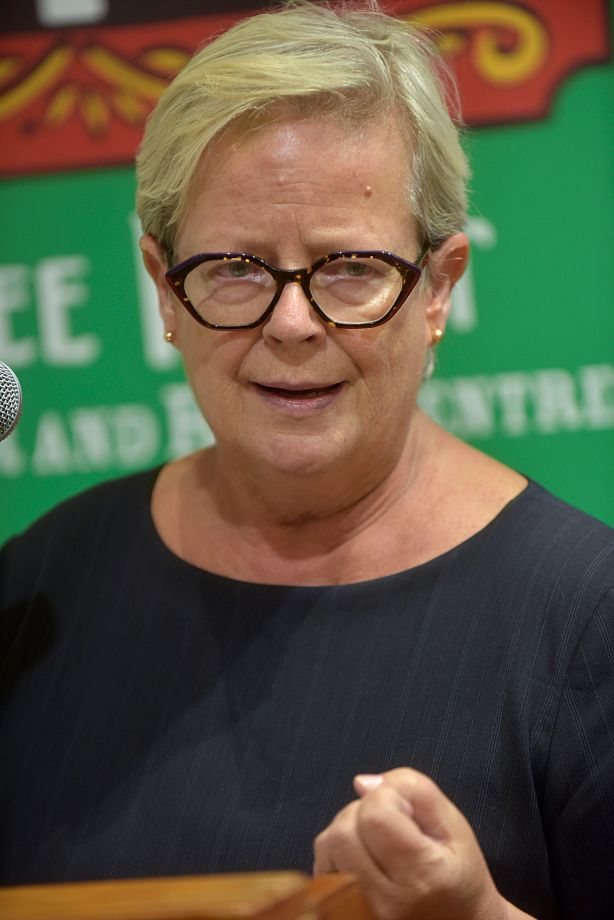
Kathleen Ward, one of the team of Traveller Peer Researchers for the Irish Survey, and a Primary Health Care Coordinator, spoke of the importance of peer-led research; where respondents are comfortable offering testimonies and sharing their lived experiences. Gabi Muntean, Community Worker at Pavee, and one of the team of Roma Peer Researchers, spoke about members of the Roma community having to hide their identities, and made the appeal that Roma people must be able to take pride in their identities, and not forget where they come from.
Olive McGovern, Assistant Secretary General at the Department of Children, Disability and Equality stated that FRA survey was a wake-up call: and that efforts must be intensified in education and housing so that children are afforded the best opportunities in those areas that shape their lives. She expressed her faith in the policy framework established under NTRIS II in bringing about positive change for Travellers and Roma, and described the road map for cultural awareness and anti-racism training planned across the public sector.
Michael O’Flaherty, Commissioner for Human Rights at the Council of Europe, appeared by short video, in which described the FRA survey findings as “worrying”, and the record of racism and discrimination very concerning. He congratulated FRA & Pavee Point in their data gathering and their continued work in shaping policy. He offered that such that data is the bedrock for the well-being of communities.
Ann Friel, of Donegal Travellers Project, commended the work of the peer researchers, and identified Traveller organisations as a vital connection between communities and the state. She expressed her hope that the research presented today can to lead to real action.
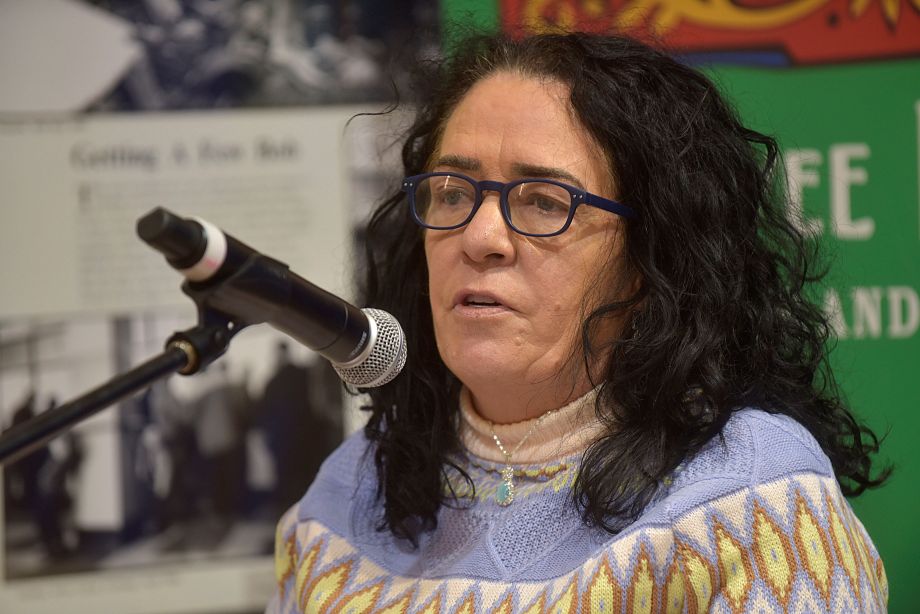
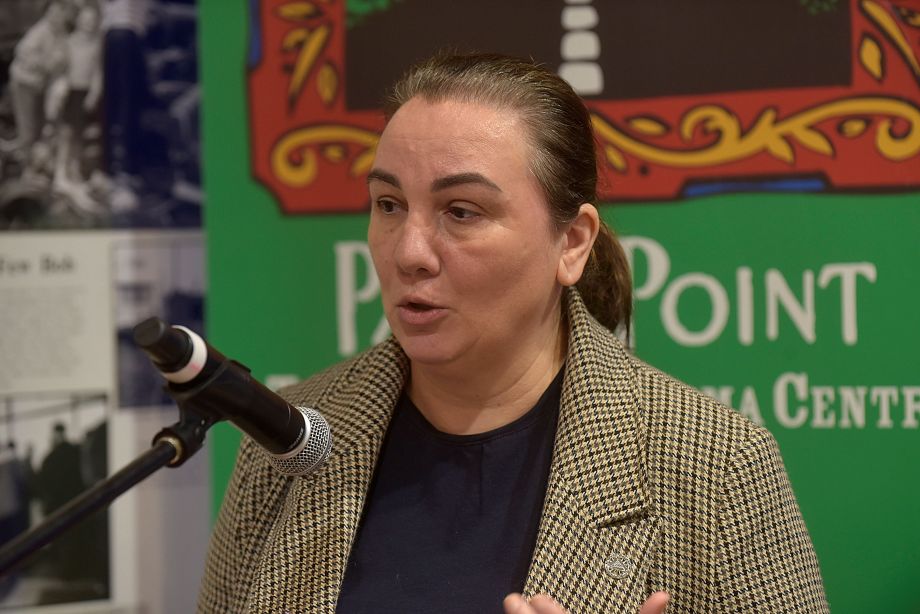
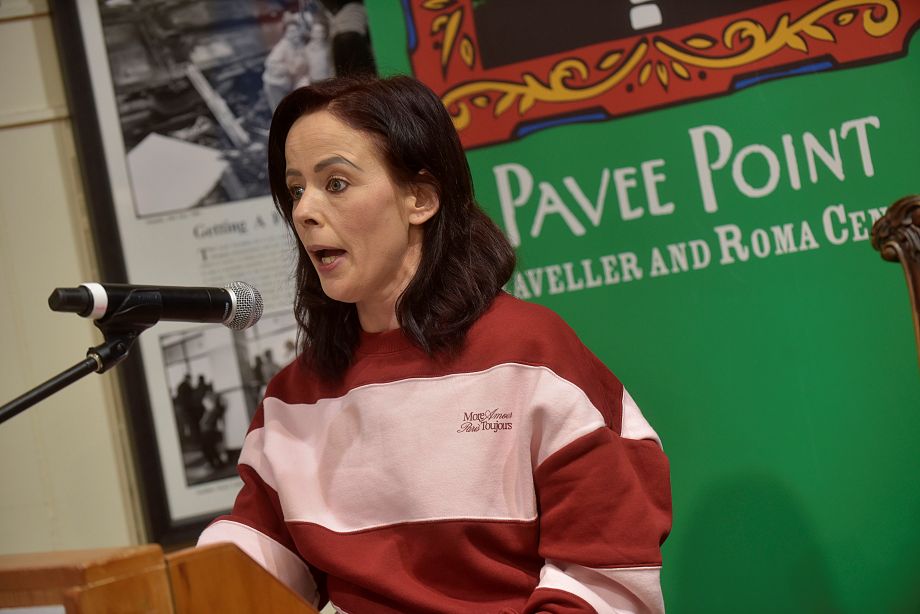
A panel discussion followed with Sirpa Rautio, Liam Herrick, Chief Commissioner with the Irish Human Rights & Equality Commission, Kieran O’Leary, Director of Ipsos Ireland, Mary Nevin, Longford Traveller Primary Healthcare Project; & Rudolf Siminoc, Roma Community Development Worker with Pavee Point.
Closing off the morning were Senator Eileen Flynn, and Pavee Point Co-Director, Martin Collins. Senator Flynn spoke about how the day-to-day life of a Traveller was like living the life of two different people: one identity amongst Travelling People; and another identity amongst settled people. While acknowledging that some progress had been made in terms of Traveller rights, she described it as a situation moving only from ‘very very bad’ to ‘very bad’. Closing remarks from Martin Collins identified the challenges met and the challenges ahead for Travellers and Roma: a story of ongoing struggle that requires coordinated and collective action.
‘Travellers and Roma in Ireland: Summary and Perspectives on the Irish findings from the Rights of Roma and Travellers in 13 European Countries – Perspectives from the Roma Survey 2024’ is available here.
‘Rights of Roma and Travellers in 13 European countries – Perspectives from the Roma Survey 2024’ is available here.
Photography: Tommy Clancy